
The 11 Best Chimney Caps for Wood Stoves of 2026
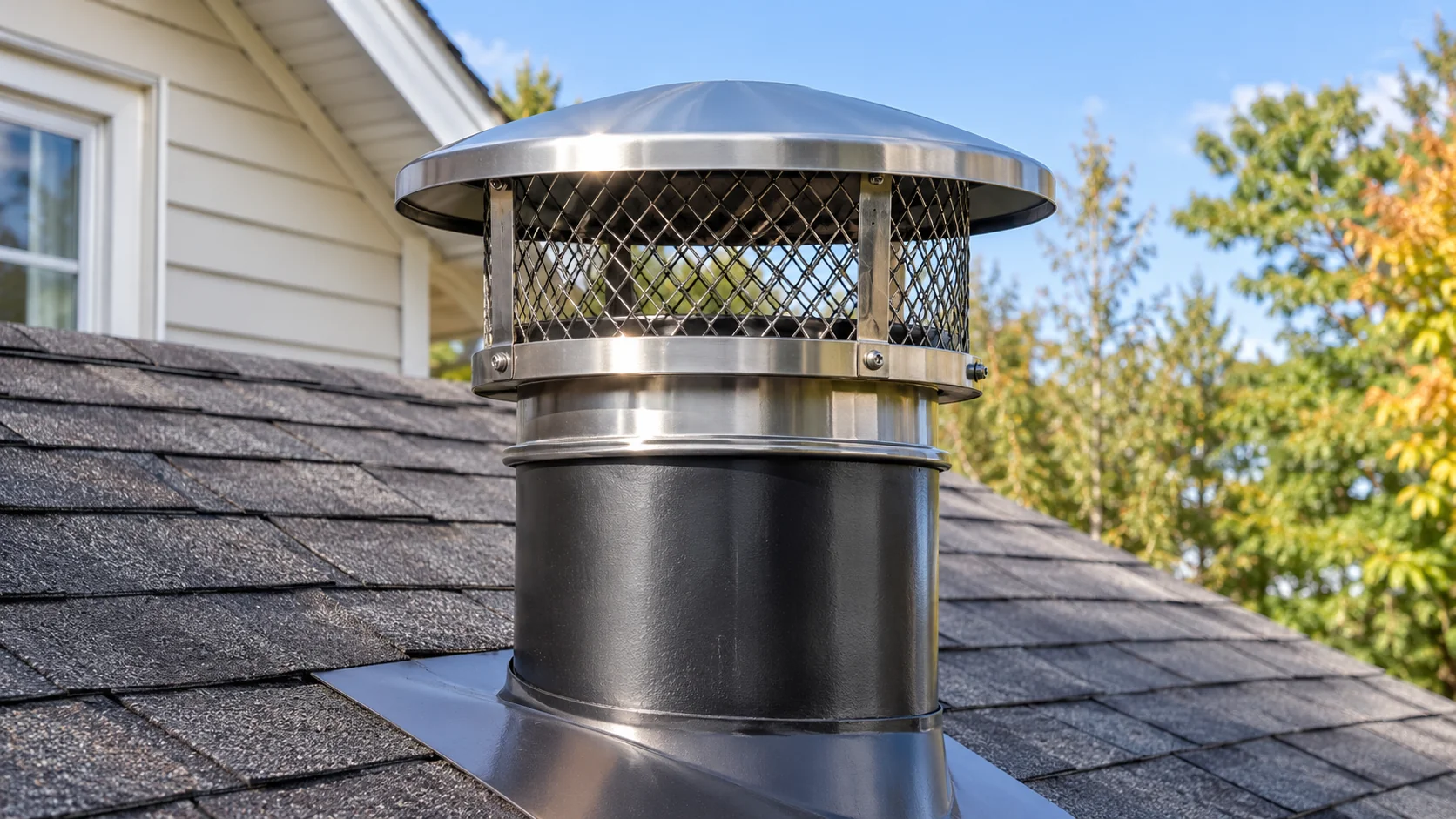
Choose the best chimney cap for a wood stove: listed caps for Class A pipe, caps for lined masonry chimneys, spark screens, creosote clogging, and pellet stove vent caps.
Our top picks
We earn a commission if you buy through our links, at no extra cost to you. Picks are based on published specs and fit rules, not hands-on testing. How we choose.
- Best for Class A pipe:DuraVent DuraTech Chimney CapCheck price on AmazonJump to review
- Easiest to clean:DuraVent DuraPlus Round Chimney CapCheck price on AmazonJump to review
- Best for Selkirk Ultra-Temp:Selkirk Ultra-Temp Rain Cap (206800)Check price on AmazonJump to review
- Widest rain cover:Selkirk Round Top Chimney Cap (8 in)Check price on AmazonJump to review
- Best for masonry flues:HY-C Shelter Stainless Steel Single Flue CapCheck price on AmazonJump to review
- Best for round clay flues:Round Stainless Steel Chimney Cap, 3/4 in MeshCheck price on AmazonJump to review
- Best spark arrestor:HY-C U1313S58 Stainless Universal Cap, 5/8 in MeshCheck price on AmazonJump to review
- Best for odd sizes:Stainless Steel Spark Arrestor, 5/8 in MeshCheck price on AmazonJump to review
- Best for downdraft:Vacu-Stack Stainless Round CapCheck price on AmazonJump to review
- Best rotating cap:Chimcare Wind Directional Chimney CapCheck price on AmazonJump to review
- Also great:FAMCO Wind Directional Chimney Cap (Stainless)Check price on AmazonJump to review
1. Best for Class A pipe
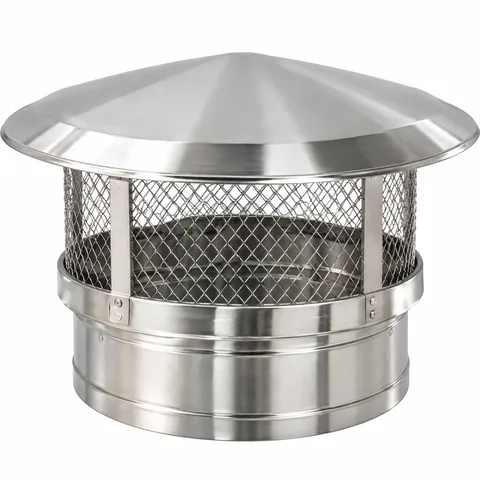
DuraVent DuraTech Chimney Cap
What we like
- The listed cap for DuraTech pipe
- Spark screen options
- Wide size range
What we don't like
- Only for DuraTech pipe
If your wood stove runs through DuraTech pipe, this is the cap to use. Listed caps keep the chimney within its UL listing.
System: DuraTech Class A, UL 103 HT | Sizes: 6 to 16 in | Spark screen: Included on some sizes; add-ons available
2. Easiest to clean
DuraVent DuraPlus Round Chimney Cap
What we like
- Spark screen removes for cleaning
- Listed for DuraPlus
What we don't like
- Only for DuraPlus pipe
The matching cap for DuraPlus triple wall pipe. The screen comes off with a few screws, which makes creosote cleaning easy.
Material: Stainless | System: DuraPlus triple wall | Spark screen: Included, removable screws
3. Best for Selkirk Ultra-Temp
Selkirk Ultra-Temp Rain Cap (206800)
What we like
- Made for Ultra-Temp HT chimney
- Low profile
What we don't like
- Ultra-Temp systems only
The rain cap for Selkirk Ultra-Temp HT pipe, the system many wood stoves use.
Size: 12 in wide, 5 1/2 in high | For use with: Type HT chimney
4. Widest rain cover
Selkirk Round Top Chimney Cap (8 in)
What we like
- Wide 16 in hood for an 8 in pipe
- Matched to Selkirk pipe
What we don't like
- Selkirk systems only
The round top cap for Selkirk chimney pipe. Its 16 in hood gives generous rain cover over an 8 in flue.
Fits: 8 in Selkirk chimney pipe | Cap diameter: 16 in | Cap height: 7 in
5. Best for masonry flues
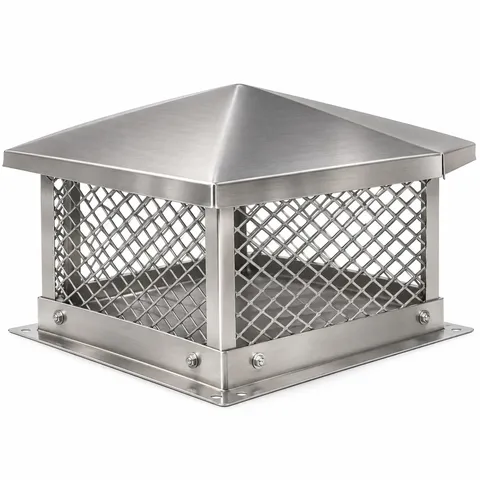
HY-C Shelter Stainless Steel Single Flue Cap
What we like
- Heavy 16 gauge base flanges for a tight grip on the tile
- Stainless hood and mesh for every fuel
- Sold in the common clay tile sizes
- Widely stocked at hardware and farm stores
What we don't like
- 3/4 in mesh is not a spark arrestor under the IRC
- Bolt-on only; a cracked tile needs repair first
This is the cap we would put on most single flue masonry chimneys. The hood is 24 gauge stainless, the mesh is 18 gauge and the base is a heavier 16 gauge, so the part that clamps to the tile is the strongest part. It suits wood, gas and oil, and the common sizes are easy to find. If your local code calls for a spark arrestor, choose a 5/8 in mesh model instead.
Material: Stainless steel | Hood: 24 gauge | Mesh: 18 gauge, 3/4 in | Base: 16 gauge, slotted hex bolts | Sizes: 9 x 9 to 13 x 18 in tiles
6. Best for round clay flues
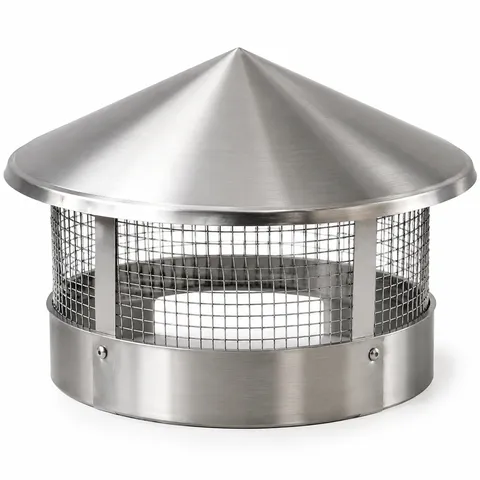
Round Stainless Steel Chimney Cap, 3/4 in Mesh
What we like
- Custom fit for round flues
- Stainless for every fuel
- 3/4 in mesh slows clogging
What we don't like
- Custom lead time
- Not a spark arrestor
The stainless version of the round custom cap. It is the one to choose for a round clay flue on a wood burning fireplace.
Material: Stainless steel | Mesh: 3/4 in | Sizes: Custom
7. Best spark arrestor
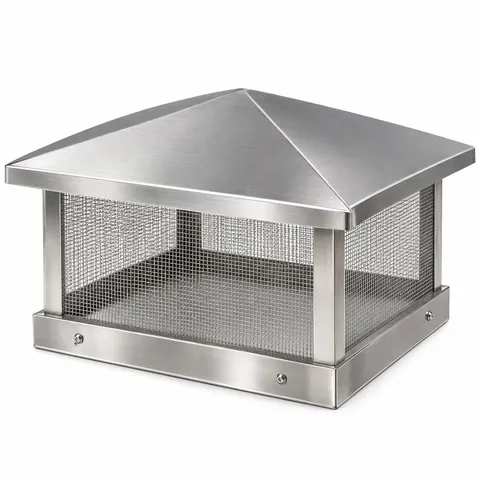
HY-C U1313S58 Stainless Universal Cap, 5/8 in Mesh
What we like
- 5/8 in mesh for spark control
- 304 stainless resists heat and corrosion
- Universal fit covers several tile sizes
What we don't like
- 5/8 in may not meet the stricter IRC 1/2 in limit; check locally
- Finer mesh needs cleaning more often
Where embers are a concern, this is the cap we would look at first. HY-C sells it mainly for spark protection, and the 5/8 in mesh is the figure commonly cited for California. Under the IRC model code the opening must be smaller than 1/2 in, so confirm with your local fire authority before buying.
Material: 304 stainless steel | Mesh: 5/8 in | Fits: Range of clay tiles up to 13 x 13 in
8. Best for odd sizes
Stainless Steel Spark Arrestor, 5/8 in Mesh
What we like
- Sizes for long and oversized flues
- Stainless mesh
- Simple screen design
What we don't like
- Check local mesh limits
- Fine mesh clogs faster on wood flues
A plain stainless spark arrestor sold in sizes the big brands skip, such as 8 x 18 in. Useful when your tile is an odd size and you need spark mesh.
Material: Stainless steel | Mesh: 5/8 in | Sizes: 8 x 18 in, 18 x 18 in and others
9. Best for downdraft
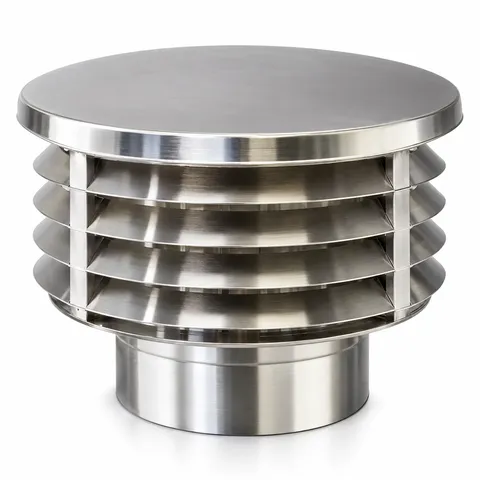
Vacu-Stack Stainless Round Cap
What we like
- No moving parts
- Works with wind from any direction
- 304 stainless
What we don't like
- Spark screen costs extra
- Must not be undersized
Our pick for gusty, swirling wind. The Vacu-Stack has no moving parts to stick, and its shape uses wind from any side to pull smoke up. Size it carefully, since retailers warn against undersizing.
Material: Type 304 stainless | Fits: Round single wall and Class A pipe; masonry with adapter | Spark screen: Sold separately
10. Best rotating cap
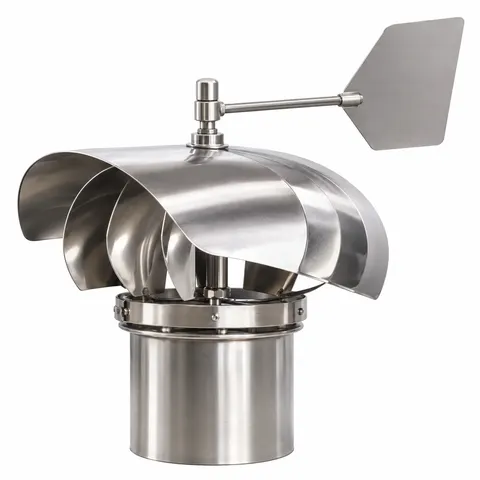
Chimcare Wind Directional Chimney Cap
What we like
- Rotates to face away from the wind
- 304 stainless
- Air cooled version available
What we don't like
- Moving parts need checking
- High price
A rotating stainless cap that turns its opening away from the wind. Best where wind comes steadily from changing directions.
Material: 304 stainless (10 in) | Fits: Single wall and solid pack pipe; air cooled version | Type: Rotating
11. Also great
FAMCO Wind Directional Chimney Cap (Stainless)
What we like
- Wide 5 to 14 in size range
- Adapter for double and triple wall pipe
- Made in the USA
What we don't like
- 1 year warranty is short
- 26 gauge is thinner than many caps
One of the most widely sold wind directional caps. A vane turns the hood away from the wind. It comes in many sizes, but the warranty is only one year.
Material: 26 gauge stainless | Sizes: 5 to 14 in | Fit: Outside of single wall pipe; adapter for double or triple wall | Warranty: 1 year | Made in: USA
Key Takeaways
- The right chimney cap for a wood stove depends on the chimney, not the stove: Class A metal pipe takes the cap listed for that pipe; a lined masonry chimney takes a cap sized to the liner or tile.
- Class A caps such as the DuraVent DuraTech cap are part of the chimney's UL 103 HT listing. Mixing brands can void it.
- Use stainless steel. Wood smoke is hot and acidic, and HY-C advises against black painted galvanized caps for wood.
- Fine mesh catches more sparks but clogs with creosote faster. A cap with a removable screen makes yearly cleaning easier.
- Pellet stoves vent through pellet vent pipe, which has its own listed termination cap.
The best chimney cap for a wood stove is not chosen by the stove. It is chosen by the chimney the stove vents into. A wood stove can vent into a lined masonry chimney or into a factory built Class A metal chimney, and each takes a different kind of cap.
Get this wrong and the cap may not fit, may clog with creosote every few weeks, or may void the listing on a metal chimney system. Get it right and the cap keeps rain off the stove, stops embers reaching the roof and lasts for decades.
Which Chimney Does Your Wood Stove Use?
Look at the top of the chimney and at where the stove pipe goes.
Class A Metal Chimney
If a round metal pipe comes out of the roof, the stove uses a Class A chimney. Class A pipe is insulated or air cooled double or triple wall pipe tested to a standard such as UL 103 HT. It must end with a cap made for that pipe series.
Lined Masonry Chimney
If the stove pipe goes into a brick or block chimney, the chimney has either a clay tile liner or a stainless steel liner inside. The cap fits the top of that tile or liner.
Single Wall Stove Pipe
Single wall stove pipe is only for the connection between the stove and the chimney inside the room. It must never pass through a roof or wall on its own. If you see single wall pipe sticking out of a roof, stop using the stove and have it inspected.
Chimney Caps for Class A Wood Stove Chimneys
On a Class A chimney, the cap is part of the system. The manufacturer tested its pipe with its own cap, and that combination is what carries the listing.
Match the Brand and Series
Each pipe brand has its own cap, and often several series within the brand. DuraVent, for example, makes DuraTech (double wall) and DuraPlus (triple wall) chimneys, and each has its own cap:
- DuraTech cap. Sized from 6DT-VC up to 16DT-VC1 to match the pipe’s inside diameter. Retailers list the 10 inch 10DT-VC with a spark arrestor screen, and DuraVent sells add-on spark arrestors such as the 5DT-SA for 5 to 8 inch caps.
- DuraPlus cap. Round stainless caps such as the 8DP-VC, listed for triple wall pipe and sold with a spark arrestor screen held by removable screws for cleaning.
Read the label on the pipe or the stove manual to find your series. If you cannot find it, the prefab chimney cap guide shows where to look.
Why You Should Not Mix Brands
A cap from a different maker may sit loosely, block the air gap that keeps the outer pipe cool, or change the draft. Inspectors and insurers can treat a mixed system as unlisted. Draft inducing caps such as the Vacu-Stack sell air cooled models made for double and triple wall chimneys, but check that the cap is approved for your pipe before fitting it.
Chimney Caps for Masonry Wood Stove Chimneys
Clay Tile Liner
If the stove vents into a clay tile flue, use a stainless single flue cap sized to the outside of the tile. The HY-C Shelter stainless cap, with 18 gauge 3/4 inch mesh and a bolted 16 gauge base, is a typical example.
Stainless Steel Liner
Most wood stove installs in old masonry chimneys add a stainless liner. The liner kit usually includes a top plate that seals the chimney crown and a round cap that clamps to the liner. Use the cap supplied with the liner or one sized to the liner diameter, often 6 inches for modern stoves.
Oversized or Unlined Flues
If the stove vents into a large fireplace flue with no liner, draft will be poor and creosote will build up fast. A cap will not fix that. Have a chimney sweep check whether the chimney needs a liner sized to the stove outlet.
Why Material Matters for Wood Stoves
Wood smoke is hot and contains water vapor and acids. When it cools near the top of the chimney, it condenses on the cap. That is the harshest environment a cap sees.
- Stainless steel handles it best for the price. 304 stainless is standard.
- Copper also works well and lasts for decades.
- Galvanized and aluminum are not recommended. HY-C’s product guide advises against aluminum or black painted galvanized covers when wood, oil, coal or pellets are the main heat source.
Spark Screens and Wood Stoves
Every wood stove cap should have a mesh spark screen. It stops burning embers from landing on the roof or in dry leaves near the house, and it keeps birds and animals out.
Mesh Size
Most caps use 3/4 inch mesh. Some areas, especially wildfire zones, require smaller openings, and California rules are commonly cited at 5/8 inch or smaller. Model codes based on the IRC set limits in terms of the openings: they should stop a 1/2 inch sphere but let a 3/8 inch sphere pass, and the screen’s net free area must be at least four times the flue area. Check your local code.
If your town requires finer mesh, pick a chimney cap with a spark arrestor rated for your local rule.
The Tradeoff: Sparks vs Clogging
Smaller mesh catches smaller embers but clogs faster with creosote and fly ash. If your local code allows 3/4 inch mesh, it is usually the better balance for a wood stove. If you must use fine mesh, plan to inspect it more often.
Why Wood Stove Chimney Caps Clog
A clogged cap is one of the most common wood stove complaints. You notice smoke spilling when you open the door, a slow start to every fire, or a stove that will not draw.
The Cause
Creosote forms when wood smoke cools below about the point where its tars condense. The mesh on the cap is the coldest metal in the chimney, so creosote sticks there first. Wet wood and slow, smoldering fires make far more of it.
The Fix
- Burn dry wood. Seasoned firewood with low moisture content burns hotter and cleaner.
- Avoid long smoldering burns. Overnight burns with the air shut down make the most creosote.
- Clean the screen. Use a cap with a removable screen or hinged lid so cleaning takes minutes.
- Have the chimney swept. NFPA 211 calls for chimneys to be inspected every year and cleaned as needed.
Wood Stove Chimney Caps for Wind and Downdraft
If smoke puffs back into the room on windy days, a standard cap may not be enough. Two cap types can help:
- Wind directional caps rotate to keep the outlet facing away from the wind. The Chimcare 10 inch cap is listed as 304 stainless for single wall and solid pack pipe, and Chimcare also lists a 6 inch version for air cooled double and triple wall pipe.
- Draft inducing caps such as the Vacu-Stack use a fixed shape to create suction in any wind direction.
Downdraft can also come from a chimney that is too short or a house that is too airtight, so read the wind directional chimney cap guide before buying one.
Chimney Caps for Pellet Stoves
Pellet stoves do not use a standard chimney. They vent through pellet vent pipe, a smaller double wall pipe usually 3 or 4 inches in diameter. Pellet vent ends in a termination cap made by the vent maker, either:
- A horizontal termination cap on a side wall, or
- A vertical cap above the roof.
Use the cap listed for your pellet vent brand. Pellet stoves can also vent into a lined masonry chimney through an adapter, in which case the masonry cap rules above apply. Always follow the stove’s installation manual, because it sets the vent length and cap requirements.
How to Size a Wood Stove Chimney Cap
- Class A: buy the cap for your pipe’s inside diameter and series, for example a 6 inch DuraTech cap for 6 inch DuraTech pipe.
- Stainless liner: buy a cap for the liner diameter.
- Clay tile: measure the outside length and width of the tile.
Installing a Wood Stove Chimney Cap
Class A caps usually twist lock or screw onto the top pipe section. Masonry caps bolt to the tile or clamp to the liner. Either way, work only in dry weather with fall protection, and let the stove go cold before you start. The step by step method is in how to install a chimney cap.
Wood Stove Chimney Cap Checklist
- Chimney type: Class A pipe, stainless liner or clay tile.
- Brand and series for Class A, read from the pipe label.
- Diameter: pipe or liner inside diameter.
- Material: stainless steel or copper, never galvanized or aluminum for wood.
- Spark screen: included, removable, and sized to your local code.
- Cleaning access: removable screen or hood.
- Wind exposure: consider a wind directional or draft inducing cap only after ruling out other draft problems.
How Often Should You Check a Wood Stove Cap?
Check the cap at least once a month during heating season if you burn every day, and whenever you notice slower draft or smoke spillage. Have the chimney swept and inspected at least once a year, as NFPA 211 recommends, and more often if you burn a lot of softwood or wet wood. Fine mesh spark screens need more frequent checks than 3/4 inch mesh.
A quick way to check without climbing: look at the top of the chimney from the ground with binoculars on a cold day. A cap with clear mesh shows smoke leaving evenly on all sides. A cap that is clogging shows smoke leaving only from one side or puffing out around the base.
Can a Chimney Cap Catch Fire?
A metal cap cannot burn, but creosote on the cap can. A chimney fire that reaches the top can ignite creosote on the mesh and throw burning pieces onto the roof. That is one reason spark screens and regular cleaning matter. If you hear a loud roaring in the chimney, see flames or heavy sparks from the top, or the stove pipe glows, close the stove’s air controls, get everyone out and call 911.
Wood Stove Caps in Winter
In very cold weather, steam in wood smoke can freeze on the cap. A cap that ices up blocks draft. If you see frost or ice building on the mesh, run hotter fires to warm the flue, and choose 3/4 inch mesh where code allows, because finer mesh ices faster.
Does a Chimney Cap Improve Wood Stove Draft?
A cap does not create draft on its own; the hot gases in the flue do that. A good cap protects draft by keeping wind from blowing down the flue and keeping the flue dry. A clogged or undersized cap reduces draft. Draft inducing caps such as the Vacu-Stack do add suction in wind, which can help a stove that struggles on windy days.
Does a Chimney Cap Reduce Creosote?
No cap reduces how much creosote forms, but a cap keeps rain out of the flue. Rain mixing with creosote creates acidic sludge that damages liners and smells. A dry flue is easier to sweep and lasts longer.
Common Wood Stove Cap Mistakes
- Using galvanized or aluminum. Wood smoke corrodes them quickly.
- Using the wrong cap on a Class A chimney. Factory built chimneys need their listed cap.
- Choosing fine mesh without planning to clean it. It clogs fast on stoves burned low and slow.
- Never checking the cap in winter. Clogging builds up during heavy use.
- Burning wet wood. No cap can make up for wood that is not seasoned.
Questions to Ask Before You Buy
- What chimney does my stove use? Masonry with a liner, or a Class A metal chimney.
- What is the liner or pipe diameter? Caps are sized to it.
- Is a spark arrestor required locally?
- Can I remove the screen for cleaning?
- Is my chimney exposed to strong wind? Consider a wind or draft inducing cap.
A Winter Routine for Wood Stove Owners
| When | Do |
|---|---|
| Before the season | Sweep and inspect the chimney; check the cap |
| Every few weeks of heavy use | Look at the cap with binoculars; note any draft change |
| Mid season | Check the cap and flue for creosote; sweep again if needed |
| End of season | Inspect and sweep; leave the flue clean for summer |
Wood Stove Cap Features Compared
| Feature | Why it matters for wood stoves |
|---|---|
| Stainless steel | Resists acidic smoke |
| Removable screen | Easy creosote cleaning |
| 3/4 inch mesh where allowed | Slower clogging |
| Correct liner size | Good draft, secure fit |
| Listed for Class A pipe | Required for factory built chimneys |
The Bottom Line
The best chimney cap for a wood stove is a stainless cap made for your chimney: the listed cap on Class A pipe, or a stainless cap sized to the liner or tile on masonry. Choose mesh your local code allows, keep it clean, and burn dry wood. For pellet stoves, use the termination cap listed with your pellet vent.
Frequently asked questions
Does a wood stove need a chimney cap?
Yes. A cap keeps rain from rusting the stove and pipe, keeps animals out, and acts as a spark arrestor. Class A chimney systems are listed with a cap as part of the system.
What kind of chimney cap is best for a wood stove?
A stainless steel cap made for your chimney type: the maker's listed cap on Class A pipe, or a stainless single flue cap sized to the liner on a masonry chimney.
Why does my wood stove chimney cap keep clogging?
Creosote from cool, smoky fires condenses on the cold mesh. Burn dry wood hot, have the chimney swept, and consider a cap with larger or removable mesh.
Can I use any cap on Class A chimney pipe?
No. Use the cap made by the pipe manufacturer for that pipe series. A different cap may not fit properly and can void the listing.
Do pellet stoves need a chimney cap?
Yes. Pellet vent pipe ends in a termination cap listed with the vent system, usually on a side wall or above the roof.